
Spas in Europe
Spa Resorts in Europe 2026 — Thermal Springs, Drinking Cure & Healing Treatments
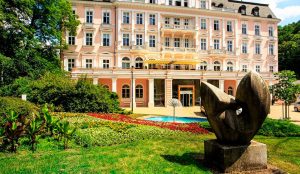
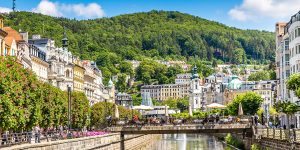
22 spa resorts in 8 European countries — from Karlsbad with 13 thermal springs to Hévíz with the largest thermal lake in the world. Each spa resort specialises in specific conditions: digestive system, musculoskeletal system, respiratory tract or cardiovascular system. Drinking cures, thermal baths, moor packs and electrotherapy are part of the treatment spectrum in most resorts. The spa resorts employ English- and German-speaking staff. Book without prepayment — you pay on arrival.The Czech Republic leads European spa tradition with 8 spa resorts. The world-famous Spa Triangle of Karlsbad, Marienbad and Franzensbad offers thermal springs used for drinking cures for centuries. Karlsbad alone has 13 springs at temperatures of 30 to 73 degrees Celsius, specialising in digestion and metabolism. Marienbad offers 40 cold mineral springs with a focus on kidney and urinary tract conditions. Franzensbad completes the triangle with moor baths and peat therapy — unique for women’s health in Europe. Other Czech spa resorts: Teplice with thermal springs for movement, Jáchymov with radon springs for arthritis, Poděbrady and Konstantinsbad with CO₂ baths for cardiovascular conditions, and Luhačovice with Vincentka mineral water for respiratory conditions.
Hungary offers Hévíz — the largest biologically active thermal lake in the world at 4.4 hectares, 24 to 38 degrees Celsius, usable all year round. Budapest complements with historic thermal baths.
Slovakia is represented by Piešťany — hydrogen sulfide thermal baths and fango packs.
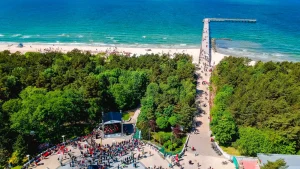
Poland brings three spa resorts: Bad Flinsberg with radon springs, Kolberg with iodine brine thermal baths and Swinemünde with Baltic Sea climate for respiratory conditions.
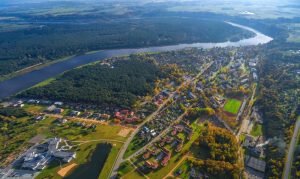
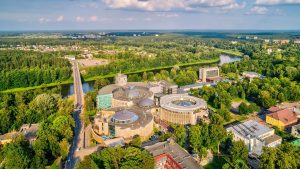
Lithuania offers Druskininkai with sapropel mud — one of the most versatile spa resorts with 160 medical professionals — plus Birštonas and Palanga with amber therapies.
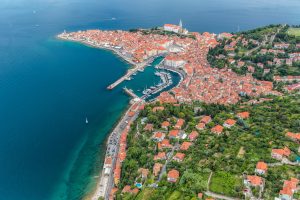
Slovenia combines Portorož on the Adriatic, Rimske Terme and Rogaška Slatina with Donat magnesium.
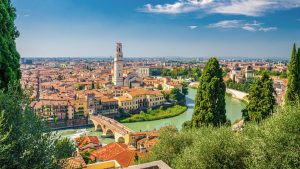
Italy is represented by Abano Terme — iodine-bromine thermal and fango therapy.
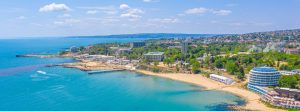
Bulgaria with Varna on the Black Sea — luga therapy and maritime climate.
All spa resorts with English- and German-speaking staff, recommended spa stay 14 to 21 days, 2 to 3 treatments daily, book without prepayment.
Spa Resorts by Country
Recommended Spa Resorts by Indication
Spa Resorts for Digestion & Metabolism — Karlsbad and Rogaška Slatina with Drinking Cure
For digestive problems, Karlsbad or Rogaška Slatina with their drinking cure are ideal. For joint conditions, Hévíz and Piešťany specialise in thermal water and sulfur mud. For respiratory conditions, Swinemünde and Luhačovice offer Baltic Sea climate and inhalation. For cardiovascular conditions, Poděbrady and Konstantinsbad lead with CO₂ baths.
Spa Treatments — Drinking Cure, Moor Pack & CO₂ Bath
Those seeking a drinking cure find it primarily in Czech spa resorts. Moor packs and fango therapy are widespread in Abano Terme and Franzensbad. CO₂ baths are offered in the Spa Triangle. Radon baths are unique to Jáchymov and Bad Flinsberg.
Spa Resorts by Country — 8 Countries Compared
The Czech Republic offers the largest selection in Europe with 8 spa resorts. Hungary, Poland and Lithuania complement the offering with their own specialisations. Baltic Sea resorts offer maritime climate, Adriatic resorts Mediterranean climate.
Frequently Asked Questions
What is the difference between a spa resort and a wellness hotel?
A spa resort has natural healing resources such as thermal springs, moor and healing water. Spa treatments are carried out under professional supervision. Wellness hotels have no medical orientation.
How long does a spa stay last?
The recommended spa stay is 14 to 21 days. During this time, 2 to 3 treatments take place daily — from the drinking cure in the morning to the moor pack in the afternoon.
Can I visit several spa resorts during one stay?
Yes — many guests combine neighbouring spa resorts. In the Czech Spa Triangle, Karlsbad and Marienbad are only 40 km apart and can be easily combined.
Do I need a referral?
No. An up-to-date medical report with your diagnoses and medication is sufficient. The initial examination on site is included in the spa package.
Note: This information is for general guidance only and does not replace individual medical advice or diagnosis by a physician.

Author: Kuropa Editorial Team
Expert review: Anastasia Folak, Head of Spa Advisory
15+ years of experience in spa travel consulting