Indications
Over 50 conditions are treated in European spa resorts — from osteoarthritis and diabetes to psoriasis and chronic bronchitis. Each spa resort specialises in specific conditions and offers tailored treatments under medical supervision. Karlovy Vary in the Czech Republic with 13 thermal springs at 30 to 73 degrees Celsius is the leading destination for digestive and metabolic disorders — the drinking cure with Carlsbad thermal water helps with gastritis, gout and type 2 diabetes. Mariánské Lázně offers 40 cold CO₂ mineral springs and specialises in kidney and urinary tract conditions as well as chronic respiratory diseases. Františkovy Lázně with its Glauber springs and iron moor is the leading centre for gynaecology and cardiovascular conditions. In Hungary, Hévíz impresses with the largest biologically active thermal lake in the world — 4.4 hectares, usable all year round at 24 to 38 degrees Celsius, specialising in musculoskeletal conditions. Piešťany in Slovakia offers unique sulphur mud treatments for rheumatism and osteoarthritis. Druskininkai in Lithuania has the broadest treatment spectrum in Europe with 160 medical professionals and Surutis mineral water. Świnoujście on the Polish Baltic coast with 44 islands and the highest iodine concentration in Europe treats respiratory conditions. Abano Terme in Italy offers hyperthermal fango therapy with natural corticosteroids. The most common conditions affect four major areas: the digestive system, the musculoskeletal system, the respiratory tract and the cardiovascular system. The recommended spa stay is 14 to 21 days with 2 to 3 treatments daily. Book without prepayment — you pay on arrival.
| Category | Common Conditions | Leading Spa Resorts |
|---|
| Digestion & Metabolism | Gastritis, Gout, Type 2 Diabetes | Karlovy Vary (13 springs), Rogaška Slatina (Donat-Mg) |
| Musculoskeletal | Osteoarthritis, Arthritis, Spine | Hévíz (Thermal Lake), Piešťany (Sulphur Mud) |
| Respiratory | Asthma, Bronchitis, COPD, Sinusitis | Świnoujście (Iodine Air), Luhačovice (Vincentka) |
| Cardiovascular | Hypertension, CHD, Circulatory | Poděbrady (CO₂ Baths), Konstantinsbad (CO₂) |
| Kidneys & Urinary | Renal insufficiency, Infections | Mariánské Lázně (40 CO₂ Springs) |
| Skin Conditions | Psoriasis, Neurodermatitis, Eczema | Abano Terme (Fango), Varna (Luga) |
| Gynaecology | Menopause, Endometriosis | Františkovy Lázně (Glauber Springs, Iron Moor) |
| Neurology | Polyneuropathy, Stroke Rehab, Migraine | Jáchymov (Radon), Druskininkai (Sapropel) |
Conditions for Digestion & Metabolism
For gastritis, gout and type 2 diabetes, Karlovy Vary with 13 thermal springs and its world-famous drinking cure is the first choice. Carlsbad thermal water is drunk directly at the source in porcelain cups — 200 to 250 ml per dose, two to three times daily. Mariánské Lázně offers 40 cold CO₂ mineral springs. Rogaška Slatina has Donat-Mg with 1,000 mg/l magnesium — ideal for metabolic disorders.
Conditions for Movement & Joints
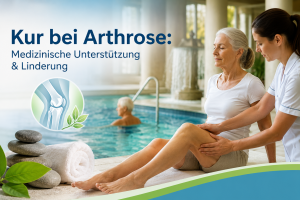
For osteoarthritis, arthritis and spinal conditions, Hévíz in Hungary with the largest thermal lake in the world is the leading destination — 4.4 hectares, year-round 24 to 38 degrees Celsius with underwater traction. Piešťany offers unique sulphur mud treatments. Druskininkai has the broadest treatment spectrum in Europe with 160 professionals. Abano Terme offers fango therapy with natural corticosteroids.
Conditions by Country
Czech Republic leads with 8 spa resorts — Karlovy Vary for digestion, Mariánské Lázně for kidneys, Františkovy Lázně for gynaecology. Hungary has Hévíz for joints and Budapest with 130+ springs. Poland offers Świnoujście with iodine air for respiratory conditions. Lithuania has Druskininkai with sapropel mud. Slovakia has Piešťany for rheumatism. Italy has Abano Terme for fango. Slovenia has Rogaška Slatina for magnesium. Bulgaria has Varna on the Black Sea for luga therapy.
Frequently Asked Questions
Which condition is treated most often?
Musculoskeletal conditions such as osteoarthritis and arthritis are the most common — followed by digestive and metabolic disorders such as gastritis and type 2 diabetes.
Do I need a referral?
No — you can book a spa stay without a referral. An up-to-date medical report with your diagnoses and medications helps the spa physician create your therapy plan.
How do I find the right spa for my diagnosis?
Each spa resort lists its specialised conditions. Search by your condition or use our comparison pages.
Can I visit a spa with multiple conditions?
Yes — the spa physician creates an individual therapy plan that addresses several conditions at once. The recommended stay is 14 to 21 days.
ℹ️Note: This information is for general guidance only and does not replace individual medical advice or diagnosis by a physician.

Author: Kuropa Editorial Team
Expert review: Anastasia Folak, Head of Spa Advisory
15+ years of experience in spa travel consulting
More about our expertise →